Dayline Script: A Versatile Font for Modern Design
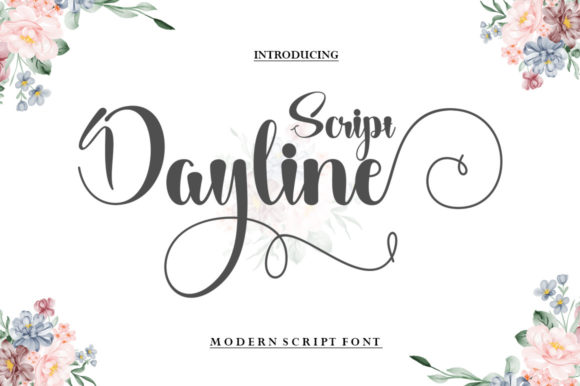
In the crowded world of visual design, a single typeface can often become the defining element that elevates a project from ordinary to extraordinary. Dayline Script is a dazzling and chic script font that embodies this principle, offering a blend of elegance and modern flair. Its PUA encoding ensures that every glyph and swash is easily accessible, providing a robust toolkit for designers seeking to create spectacular, polished work. This versatility makes it a valuable asset for a wide range of creative projects, from digital marketing to print design.
Understanding the Role of Typography in Brand Identity
Typography is a cornerstone of effective graphic design, directly influencing brand identity, user experience, and visual hierarchy. A well-chosen font like Dayline Script can communicate a brand's personality—whether it's sophisticated, friendly, or luxurious—without a single word of copy. Its fluid, handwritten style adds a human touch, which can strengthen emotional connections in branding and logo design. When integrated thoughtfully, it helps establish a cohesive visual language that resonates across all platforms.
Practical Applications for Creative Professionals
The true value of a design asset lies in its application. Dayline Script's adaptable character makes it suitable for numerous contexts, helping designers and marketers maintain consistency while exploring creative expression. Here are several practical ways to leverage its style:
- Branding and Logo Design: Use the font to create distinctive, memorable wordmarks or secondary typography that complements a primary sans-serif or serif font.
- Marketing Materials: Enhance brochures, flyers, and digital ads with elegant headlines or call-to-action text that draws the eye.
- Social Media Graphics: Craft engaging posts, stories, and quotes that stand out in feeds, improving user engagement and shareability.
- Website and UI Design: Apply it sparingly for hero section titles, special announcements, or decorative elements to add a touch of sophistication without compromising readability.
- Editorial and Packaging Design: Bring life to magazine layouts, book covers, or product packaging where a script font can convey artisanal quality or premium appeal.
Tips for Effective Typography Integration
While a versatile script font offers creative freedom, successful implementation requires strategic thinking. To ensure your typography enhances rather than hinders your design, consider these key factors:
- Prioritize Readability and Scalability: Always test fonts at various sizes and on different screens. Script fonts are often best used for headlines or accents rather than body text to maintain clarity.
- Maintain Visual Hierarchy: Pair Dayline Script with a clean, neutral font for body copy. This contrast creates a balanced layout where the script font draws attention to key messages without causing visual clutter.
- Align with Audience Expectations: Consider your target demographic. A chic script font may align perfectly with a lifestyle brand or wedding service but might need careful handling in a corporate tech context.
- Ensure Brand System Compatibility: Evaluate how the font interacts with your existing color palette, imagery, and overall design language. Consistency across all touchpoints builds trust and professionalism.
Thoughtful design choices are what separate mediocre projects from impactful ones. Investing in high-quality creative assets like a well-crafted script font is an investment in clear communication and aesthetic excellence. By understanding the principles of typography and applying them with intention, designers can create work that not only looks beautiful but also effectively achieves its goals, whether in digital marketing, print, or any other medium. The right tools, used wisely, are the foundation of a strong and successful visual identity.