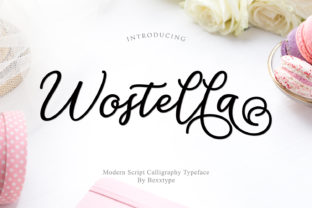
Wostella Script: A Handwritten Font with Authentic Charm
In a digital landscape saturated with clean sans-serifs and predictable serifs, discovering a typeface that feels genuinely human can transform a project from good to unforgettable. Wostella Script is precisely that kind of find—a beautiful and cool handwritten font with an authentic twist that injects warmth, personality, and a sense of handcrafted elegance into any design. For graphic designers, marketers, and creative professionals seeking to break away from the generic, exploring its unique charm is a step toward more compelling visual storytelling.
Understanding the Appeal of Wostella Script
At its core, Wostella Script is more than just a collection of letters; it’s a design tool that communicates emotion. Its flowing, natural strokes mimic the irregularity of real handwriting, which inherently builds trust and relatability. This makes it a powerful asset in modern graphic design, where authenticity is a key currency. Unlike overly formal scripts, its cool, contemporary edge ensures it feels fresh and relevant, bridging the gap between casual friendliness and professional polish.
The font’s versatility is a significant strength. It can serve as a striking headline or a delicate accent, depending on the context. Its carefully crafted ligatures and alternate characters allow designers to create custom, logotype-quality lettering without starting from scratch, streamlining the design workflow while maintaining a high-end result.
Practical Applications Across Creative Projects
Integrating a distinctive font like Wostella Script can elevate numerous aspects of a project. Its value is most evident in applications where a personal touch or a premium feel is required.
- Branding and Logo Design: It excels in creating memorable wordmarks for boutique brands, lifestyle companies, or personal brands. Its character helps establish a unique brand identity that stands out in crowded markets.
- Marketing & Social Media Graphics: Use it for quotes, call-to-action buttons, or promotional headlines to grab attention in feeds. It adds a human touch to digital marketing materials, increasing engagement.
- Editorial and Packaging Design: In print, it brings warmth to magazine pull quotes, book covers, or product packaging. It can highlight key information while enhancing the overall aesthetic and shelf appeal.
- Web and UI Design: When used sparingly, it can soften a digital interface. Consider it for section headers, notification banners, or error messages to make the user experience feel more approachable and less sterile.
- Presentation and Merchandise: It adds a creative flair to slide decks, making key points more impactful. For merchandise like apparel or stationery, it provides instant visual interest and a trendy, artistic vibe.
Tips for Effective Implementation
Choosing a stylish script is only half the battle; using it effectively is what defines professional design. Always prioritize readability and visual hierarchy. Wostella Script is best used for short bursts of text—headlines, logos, or accents—not for long paragraphs where legibility could suffer.
Consider your color palette and background. A high-contrast pairing ensures the delicate details of the script are visible. Pair it with a simple, neutral sans-serif or serif font for body text to create a balanced and accessible layout. This contrast establishes a clear hierarchy, guiding the viewer’s eye naturally through your design.
Finally, align the font’s personality with your audience and message. Its authentic, handwritten style is ideal for projects targeting audiences who value creativity, individuality, and craftsmanship. Ensure it complements, rather than clashes with, your existing brand systems and overall design goals.
Thoughtful typography is the backbone of effective visual communication. Selecting a resource like Wostella Script isn’t just about following a trend; it’s about making a strategic choice to enhance emotional resonance and aesthetic quality. By leveraging such creative assets with intention, designers can craft experiences that are not only visually stunning but also deeply connective, ultimately strengthening brand perception and user engagement across every touchpoint.